ATJLF Legacy Phase transitional justice funded projects in Northeast.
GACRB is one of the sub-grantees and beneficiaries of ATJLF legacy phase funding initiatives to advance the localization of contextually relevant transitional justice intervention initiatives in Northeast Nigeria. The two years funding support up to July 2026 aims to prioritize and plug-in institutional and community engagement legacy-based and sustainable interventions of transitional justice projects focusing on strengthening the agency of victims of Boko Haram violence and atrocities and scale up and deepens our existing interventions on truth-seeking, reconciliation, reparations and fostering social cohesion leveraging on existing traditional justice mechanisms such as Sulhu commonly found in Northeast Nigeria.
Our ATJLF funded initiatives also aims to support ongoing government-led deradicalization, rehabilitation and reintegration (DRR) efforts referred to as the Borno Model as pathway for sustainable peace in the region.In the next two years of grant partnership, GARCB is committed to implement impactful transitional justice engagements that will outlive ATJLF partnership in the Northeast of Nigeria in decades to come.
Building Pathways to Peace and Justice in the BAY States
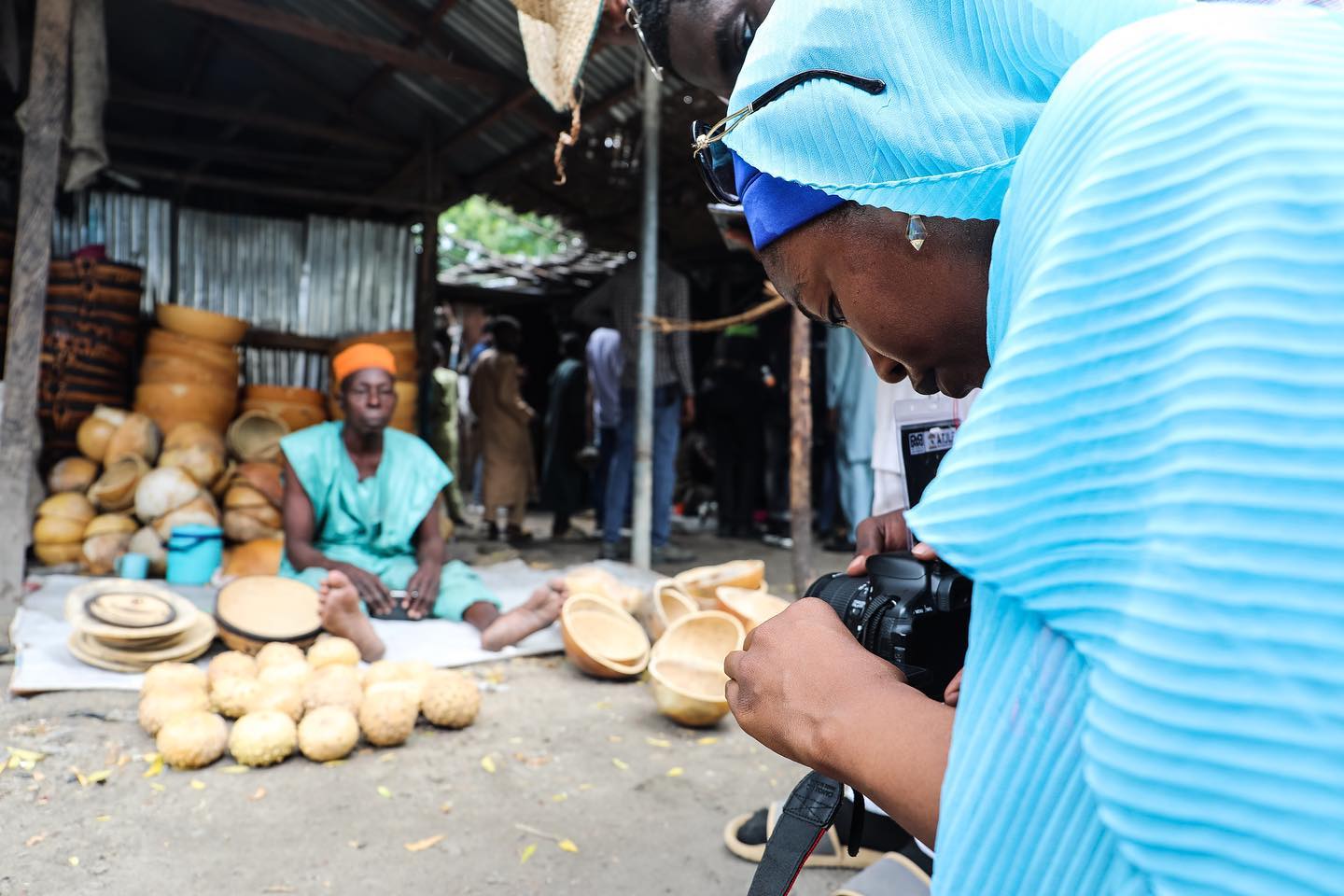
For over sixteen years, communities across Borno, Adamawa, and Yobe (BAY) States have endured the devastating impacts of the Boko Haram insurgency — from displacement and loss of livelihoods to ruptured social ties and mistrust. As thousands of former associates of Boko Haram surrender and seek reintegration, communities now face a new challenge: how to rebuild trust, restore justice, and foster peaceful coexistence among victims, survivors, and returnees.
Green Advocacy for Conflict Prevention and Resilience Building (GARCB), with support from the Africa Transitional Justice Legacy Fund (ATJLF), is working to strengthen community-led peacebuilding through locally grounded approaches to transitional justice.
The GARCB Transitional Justice Manual serves as a practical guide for stakeholders, faith leaders, community structures, and peace advocates in the BAY states. It builds understanding around indigenous mechanisms of justice and reconciliation, including sulhu (mediation) and adalci (justice), and explores how these concepts can be applied to promote healing, accountability, and sustainable peace.
Green Advocacy Hosts Sulhu Dialogue To Foster Peace And Reintegration In Salama Camp
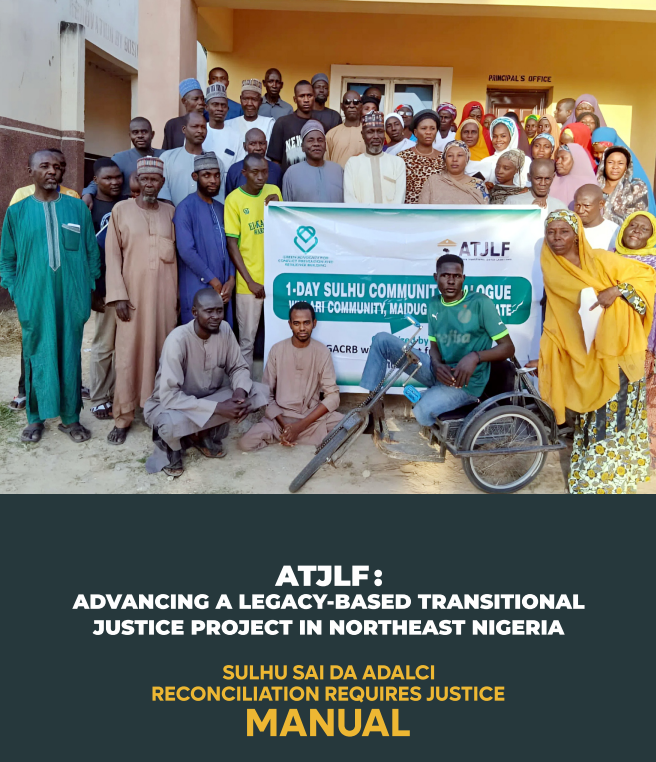
Green Advocacy Hosts Sulhu Dialogue To Foster Peace And Reintegration In Salama Camp As part of efforts to promote peace and community resilience among conflict affected populations, Green Advocacy for Conflict Prevention and Resilience Building (GACRB) has organized a one-day Sulhu Community Dialogue at Salama Camp in Gerei Local Government Area of Adamawa State.
The event brought together internally displaced persons (IDPs), community leaders, and peace advocates to engage in dialogue focused on reconciliation, peaceful coexistence, and the reintegration of former victims of insurgency.

Strengthening Community Awareness on the National Social Register Across Borno State
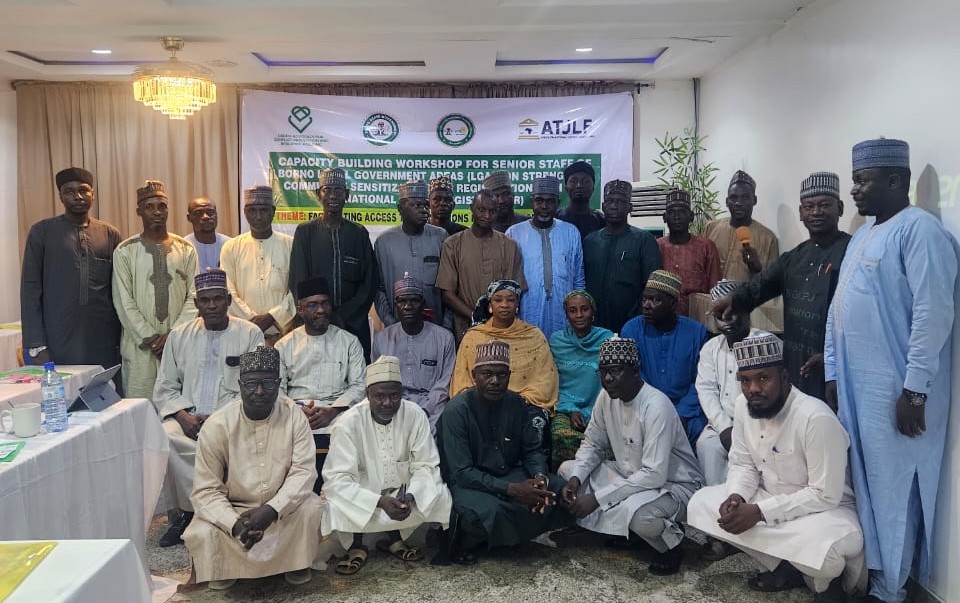
To strengthen community access to social protection and empowerment opportunities, GACRB, in collaboration with the Borno State Social Investment Management Programme (Bo-SIMP), conducted a capacity-building workshop for senior Local Government Area (LGA) officials across Borno State.
The workshop brought together 27 senior staff from various LGAs to enhance their knowledge and skills in community sensitisation, with a particular focus on the registration process for the National Social Register (NSR).